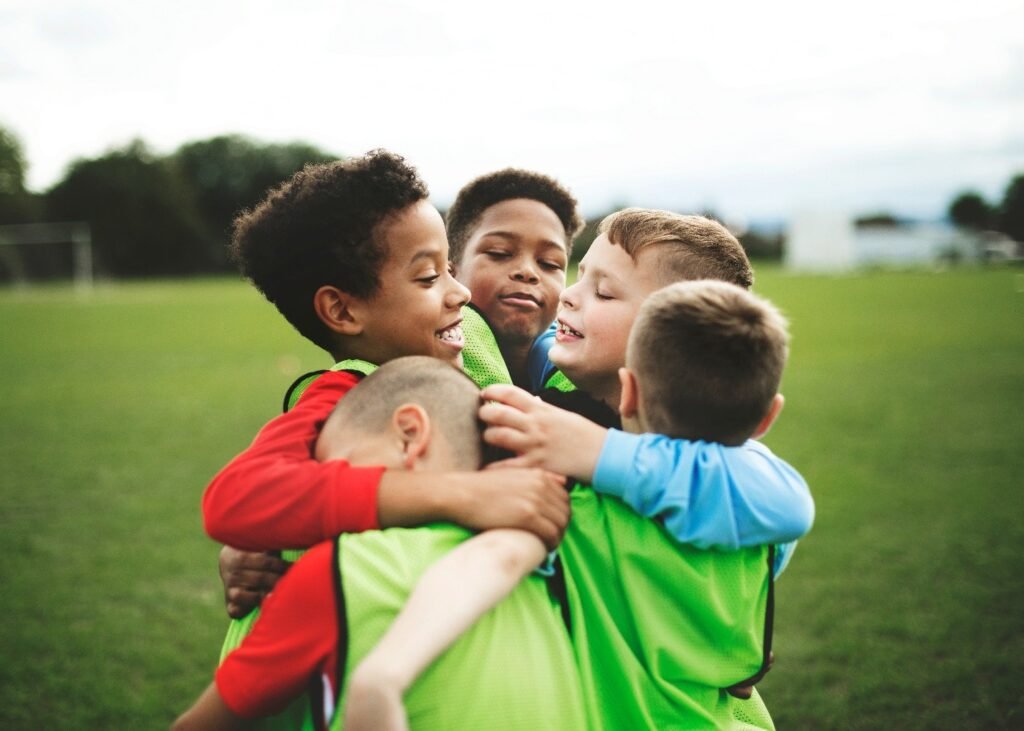

Life Skills Kids Learn Through Sports 

5 Life Skills Kids Learn Through Sports That Help Them Off the Field
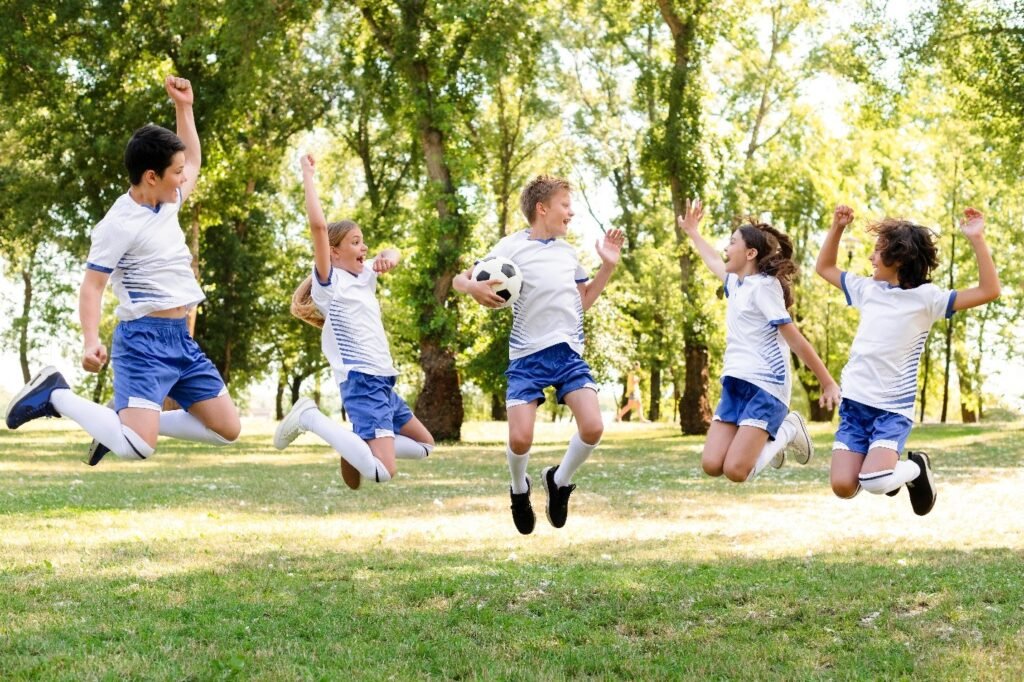
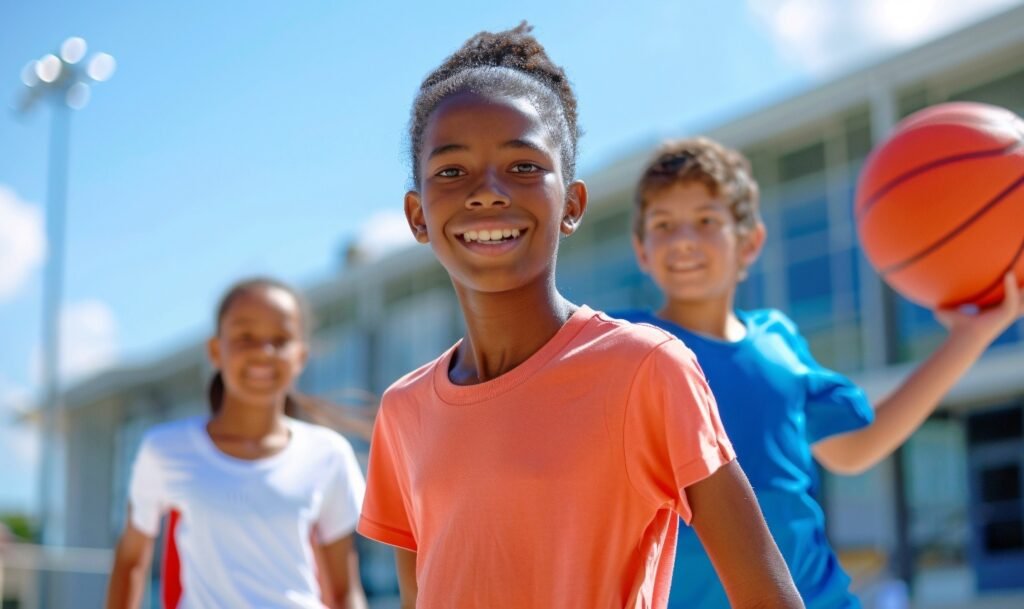
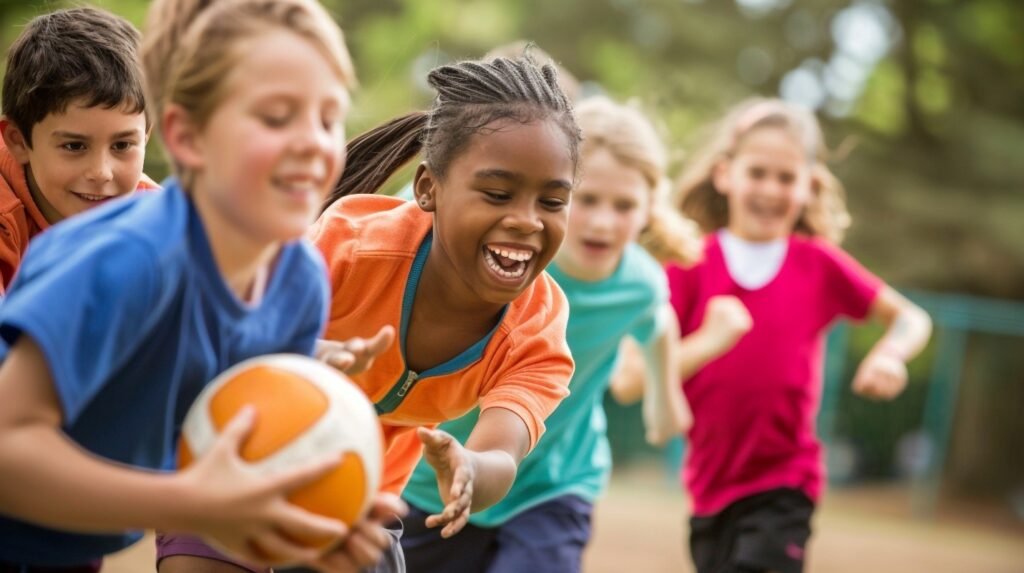
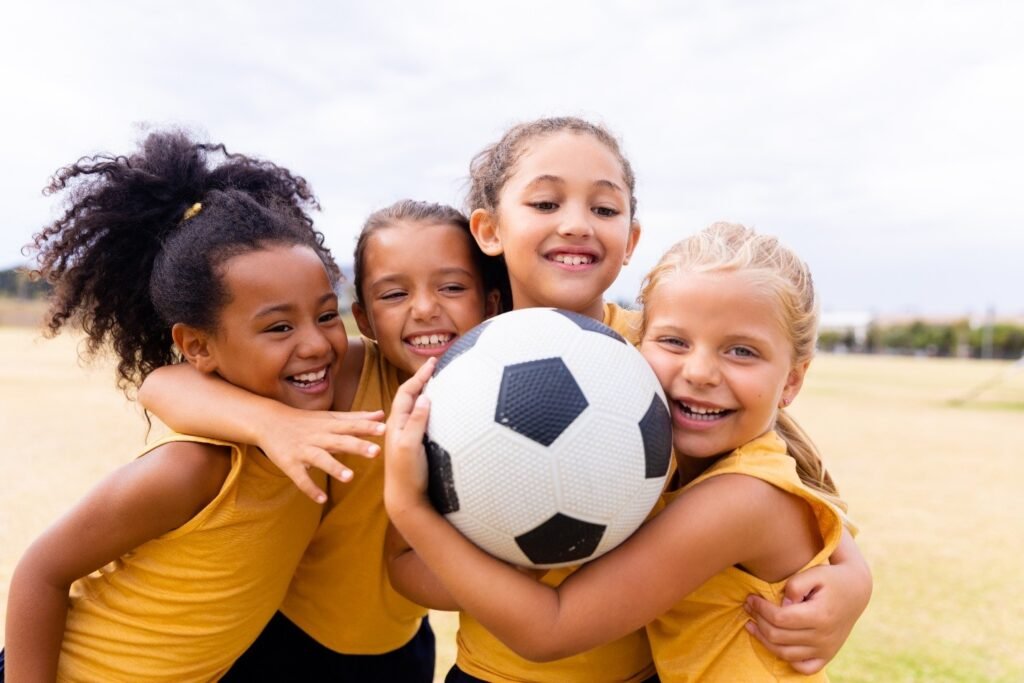
Sports are often seen as games, practices, and competitions, but their impact reaches far beyond the field. For children, participating in sports provides valuable lessons that shape character, behavior, and mindset. These lessons stay with them into school, relationships, and future careers. From learning how to work with others to handling challenges, sports help kids develop essential life skills that prepare them for success in everyday life.

1. Teamwork and Collaboration

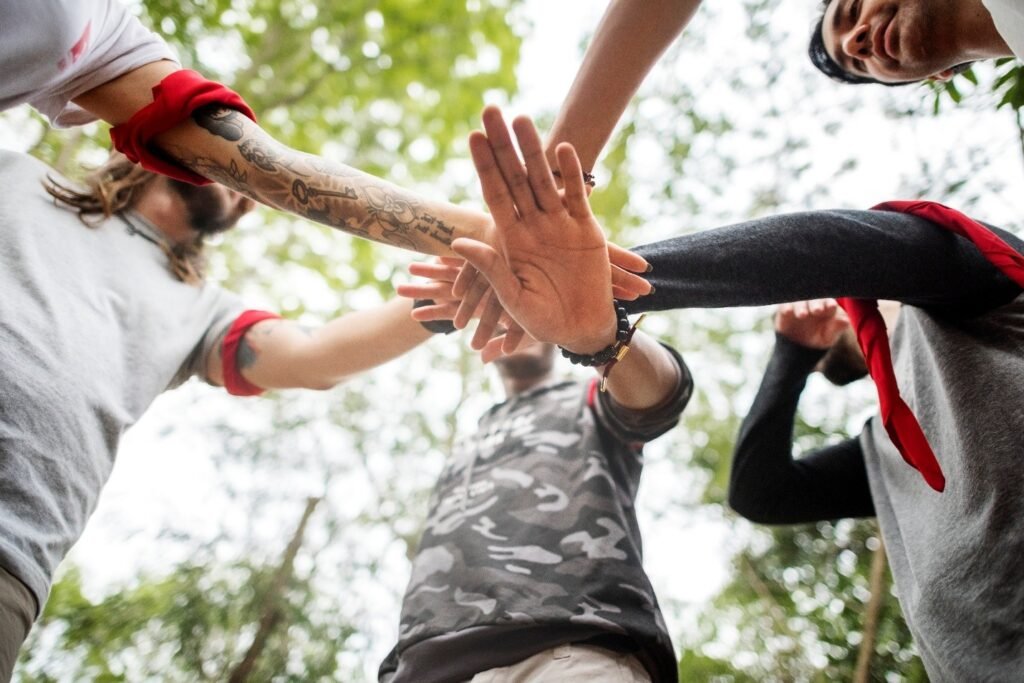
One of the most important lessons sports teach children is how to work as part of a team. Kids learn that success is rarely achieved alone and that cooperation, communication, and trust are essential. Whether passing the ball, supporting teammates, or accepting different roles, children understand how individual contributions affect the whole group. This skill helps them collaborate effectively in classrooms, group projects, and later in the workplace.

2. Discipline and Time Management

Sports require commitment. Practices, games, and training schedules teach children how to manage their time and stay disciplined. They learn to balance schoolwork, family responsibilities, and athletics. Showing up on time, following rules, and staying focused build habits that encourage responsibility and consistency. These skills are invaluable as children grow and face increased academic and personal demands.

3. Resilience and Handling Failure

Losses, mistakes, and setbacks are part of every sport. Through these experiences, children learn resilience and emotional strength. Sports teach them that failure is not the end, but an opportunity to learn and improve. Over time, kids develop confidence in their ability to overcome challenges. This mindset helps them cope with academic struggles, social difficulties, and future obstacles with perseverance rather than fear.

4. Leadership and Accountability

Sports create natural opportunities for leadership. Whether serving as a team captain or simply encouraging others, children learn how to lead by example. They also learn accountability by taking responsibility for their actions, performance, and behavior. Understanding how to motivate peers, accept feedback, and make decisions strengthens leadership qualities that benefit kids in school, community involvement, and future professional roles.

5. Respect and Sportsmanship

Sports emphasize respect for teammates, opponents, coaches, and officials. Kids learn to follow rules, accept outcomes gracefully, and treat others fairly. Good sportsmanship encourages empathy, patience, and self-control. These values shape how children interact with people from different backgrounds and viewpoints, promoting positive relationships off the field.
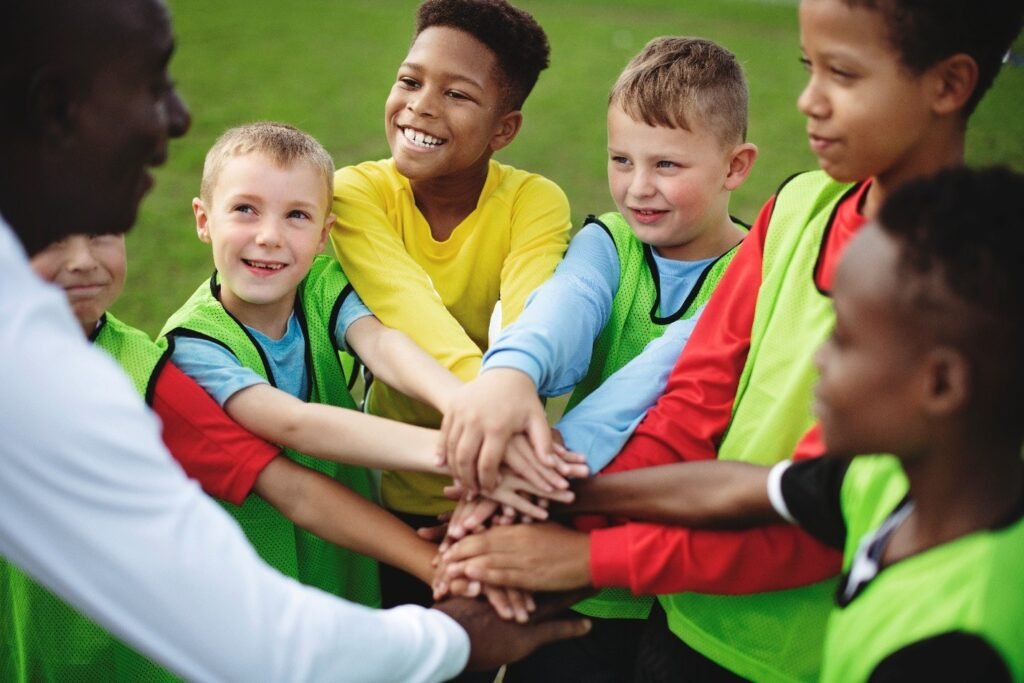
Conclusion

The lessons learned through sports extend well beyond physical fitness and competition. Teamwork, discipline, resilience, leadership, and respect are life skills that help children navigate everyday challenges and opportunities. By participating in sports, kids gain tools that support personal growth, confidence, and long-term success. Investing in youth sports is ultimately an investment in well-rounded individuals who are better prepared for life beyond the game.


Every child deserves the opportunity to experience the life-changing lessons that sports provide. Sports Saves works to remove financial barriers by supplying youth with the equipment they need to play and grow. By volunteering, donating equipment, or supporting their mission, you can help ensure more kids gain access to sports and the vital life skills that come with them. Get involved with Sports Saves and be part of creating brighter futures, both on and off the field.

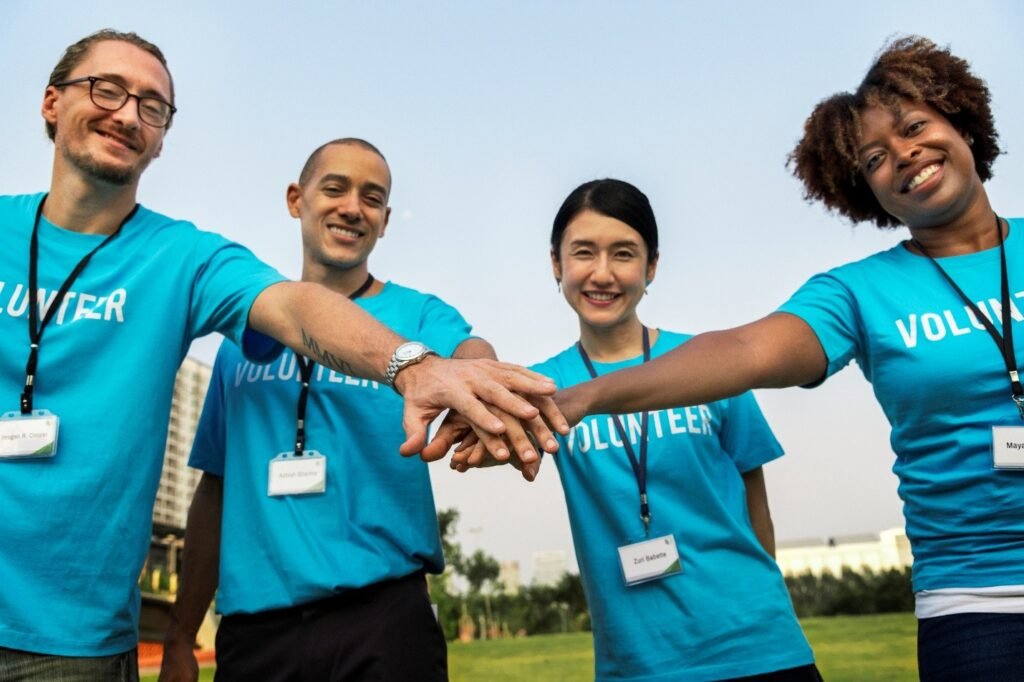
The Role of Volunteers

The Role of Volunteers in Building Stronger Communities Through Sports

Sports have long been a powerful force for bringing people together. Beyond competition, sports create shared experiences that foster trust, inclusion, and belonging. At the heart of these experiences are volunteers, the individuals who donate their time, skills, and passion to make programs possible. Without volunteers, many community sports initiatives would struggle to exist, let alone thrive.

Volunteers as the Backbone of Community Sports

Volunteers serve as coaches, mentors, organizers, and role models, often wearing multiple hats to ensure programs run smoothly. They handle logistics, mentor young athletes, and create safe and welcoming environments for participants of all backgrounds. Their presence reduces financial barriers by keeping programs affordable, ensuring that children and families are not excluded due to cost. In this way, volunteers help level the playing field and promote equity.

Strengthening Social Bonds Through Participation

When volunteers engage with local sports programs, they build relationships that extend far beyond the field. Parents, athletes, and neighbors connect through shared goals, challenges, and celebrations. These connections strengthen social networks and encourage civic engagement, making communities more resilient. For young people, volunteers often become trusted adults who model teamwork, discipline, and respect. Such relationships can have lasting effects on confidence, leadership, and personal growth.

Volunteering as a Pathway to Inclusion

Community sports volunteers play a critical role in creating inclusive spaces. By welcoming participants of different abilities, cultures, and economic backgrounds, they help break down social barriers. Inclusive sports programs encourage mutual understanding, reduce isolation, and give everyone a sense of belonging. Volunteers who reflect the diversity of their communities also inspire participation by showing that sports truly are for everyone.

Long-Term Impact on Community Wellbeing

The impact of volunteer-driven sports programs extends well into the future. Communities with strong volunteer networks often see higher youth engagement, improved health, and lower rates of antisocial behavior. Volunteers themselves also benefit, gaining purpose, skills, and a deeper connection to their neighborhoods. This mutual benefit creates a positive cycle where giving back strengthens both individuals and the community as a whole.

Conclusion

Volunteers are essential to building stronger communities through sports. By supporting programs, fostering connections, and championing inclusion, they help create environments where people can grow, connect, and thrive. Investing in volunteer engagement is not just an investment in sports, but in the social fabric that holds communities together. When individuals step forward to serve, everyone wins, and communities emerge healthier, more connected, and more hopeful.

Ultimately, the power of volunteering in sports lies in its ability to turn simple acts of service into collective progress. Every practice, game, and event supported by volunteers represents an opportunity to strengthen trust, share values, and build pride within local communities. As these efforts grow, they leave a legacy of participation, empathy, and cooperation that extends far beyond sports, shaping stronger, more united societies for future generations. Together, we can recognize, support, and celebrate volunteers as true builders of community strength and shared success through sport.

Organizations like Sports Saves rely on passionate volunteers to continue breaking down barriers to youth sports participation. By donating your time, skills, or gently used equipment, you can help ensure that every child has the chance to play, grow, and belong. Whether you volunteer at an event, support equipment drives, or spread awareness, your involvement with Sports Saves directly strengthens communities and changes young lives through the power of sport.


Every Child Should Have Access to Sports

Why Every Child Should Have Access to Sports and How You Can Help

In today’s fast-paced, screen-focused world, giving children the opportunity to play sports is more important than ever. Sports are far more than games; they are powerful tools for shaping healthier, more confident, and more resilient young people. Yet millions of children worldwide still lack access to safe play spaces, proper equipment, and supportive programs. Ensuring that every child can participate isn’t just a community responsibility, it’s an investment in our future.

The Power of Sports in a Child’s Life

1. Physical Health and Development

Regular physical activity helps children build strong bones and muscles, maintain a healthy weight, and reduce the risk of chronic illnesses later in life. Sports also encourage kids to adopt lifelong habits of movement, which is crucial in an era where sedentary lifestyles are increasingly common.

2. Emotional and Mental Well-Being

Sports provide a natural outlet for stress and anxiety. Children who play regularly often show improved mood, better emotional regulation, and stronger self-esteem. Team environments also help kids feel a sense of belonging and purpose, something they may not always find elsewhere.

3. Learning Life Skills

From teamwork and discipline to leadership and problem-solving, sports teach essential life skills that extend far beyond the field. Children learn to set goals, handle setbacks, and celebrate achievements, skills that shape them into capable, confident adults.

4. Building Social Connections

Sports bring kids together from different backgrounds, fostering friendships and teaching respect, empathy, and cooperation. These experiences can break down cultural and social barriers, creating more inclusive communities.

Why Access Is Still Unequal

Despite the well-known benefits, many children, especially those in underserved or low-income areas, don’t have access to sports programs. Barriers may include:

  • Cost of equipment, uniforms, or league fees
  • Lack of safe fields or community spaces
  • Limited school funding for extracurricular sports
  • Transportation challenges
  • Shortage of trained coaches or volunteers

When children miss out on sports due to these barriers, they also miss out on the physical, mental, and social growth that comes with participation.

How You Can Help Make Sports Accessible

The good news is that everyone can play a part. Here’s how you can help ensure every child has the chance to play, grow, and thrive through sports:

1. Donate Equipment or Funds

Many local organizations and youth programs rely on donations to operate. Gently used gear or financial contributions can directly impact a child’s ability to join a team.

2. Volunteer Your Time

Coaches, assistants, drivers, and event helpers are always needed. Your presence can make a huge difference, no professional sports background required.

3. Support Community Programs

Advocate for more inclusive and affordable sports initiatives in your school districts and neighborhoods. Attend meetings, sign petitions, or partner with nonprofits working to expand youth sports access.

4. Spread Awareness

Sometimes change starts with a conversation. Share the importance of sports with your network, online or offline, and inspire others to get involved.

Final Thoughts

Every child deserves the chance to play, learn, and grow through sports. By helping break down barriers and supporting accessible youth programs, we can create healthier kids, stronger communities, and a brighter future. Your small action today could be the reason a child laces up their first pair of sneakers tomorrow.

If you want to make a direct impact, get in touch with Sports Saves, an organization dedicated to providing children with the resources, equipment, and opportunities they need to participate in sports. Whether you donate, volunteer, or help raise awareness, your contribution can change a child’s life.


Sports Saves

How Sports Saves Provides Equal Opportunities for All Aspiring Athletes

Sports have long been a powerful platform for growth, discipline, and self-discovery. But while the benefits of athletics are universal, access is not. Too many young athletes are forced to sit on the sidelines, not because of a lack of passion or talent, but because of barriers like cost, limited resources, or lack of community support. This is where Sports Saves steps in, transforming the landscape for aspiring athletes and ensuring that every child has a fair chance to play, grow, and achieve their dreams.

Leveling the Playing Field

Sports Saves operates with a mission rooted in inclusivity: to break down the financial and systemic barriers that prevent children from participating in sports. For many families, the price of equipment, uniforms, travel, or club fees can make even the simplest activity feel out of reach. Sports Saves helps close this gap by providing essential gear and resources, giving children the tools they need to step onto the field with confidence and dignity.

But the organization’s impact goes beyond equipment. By partnering with local schools, community centers, and youth programs, Sports Saves creates pathways for kids who might otherwise never have the chance to join a team. These partnerships help build sustainable support networks that allow young athletes to thrive long after their first day of practice.

Fostering Confidence and Character

Equal opportunity isn’t just about participation, it’s about empowerment. When children join a team, they learn far more than how to play a sport. They discover resilience, leadership, teamwork, and self-belief. Sports Saves recognizes the deep importance of these life-shaping experiences and strives to make them accessible to all kids, regardless of their background.


By giving aspiring athletes the opportunity to compete and grow, Sports Saves nurtures confidence that extends beyond the court or field. Children who feel supported in their athletic journey often carry that courage into the classroom, their relationships, and their future aspirations.

Creating Inclusive Communities

One of the most impressive impacts of Sports Saves is the way it strengthens communities. When children play sports, families, neighbors, and volunteers naturally come together to support them. These shared experiences help bridge cultural, economic, and social divides, creating more connected and compassionate communities.


Sports Saves is intentional about fostering environments where every child feels seen, valued, and included. By ensuring equal access to sports, the organization promotes unity and helps cultivate a generation of young leaders who understand the power of collaboration and inclusion.

A Future Built on Opportunity

Every aspiring athlete deserves a fair shot, and Sports Saves is making that future possible. By removing obstacles and opening doors, the organization empowers children to discover their potential and chase their dreams. Whether a child dreams of going pro or simply wants to belong to a team, the opportunities Sports Saves provides can be life-changing.

Get Involved

You can be part of this movement. Get in touch with Sports Saves and help ensure that every child, no matter their background, has the chance to experience the joy, growth, and opportunity sports can offer. Donate, volunteer, or learn about equipment drives with Sports Saves.


Community Support Programs

Imagine a young athlete bursting with dreams of becoming the next sports star, yet facing a major hurdle: lack of resources. No uniform, no proper shoes, and limited access to training.

Continue reading

Equipment Drive

Imagine a young athlete, filled with passion, energy, and determination, but with no access to the gear they need to compete.

Continue reading