

5 Life Skills Kids Learn Through Sports That Help Them Off the Field
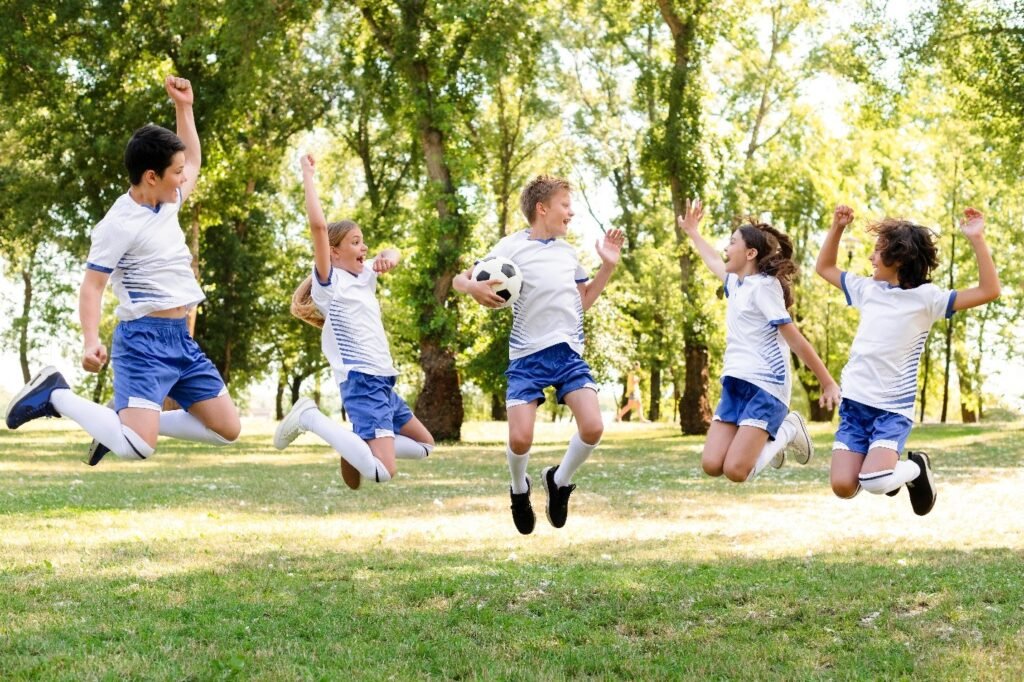
Sports are often seen as games, practices, and competitions, but their impact reaches far beyond the field. For children, participating in sports provides valuable lessons that shape character, behavior, and mindset. These lessons stay with them into school, relationships, and future careers. From learning how to work with others to handling challenges, sports help kids develop essential life skills that prepare them for success in everyday life.
1. Teamwork and Collaboration
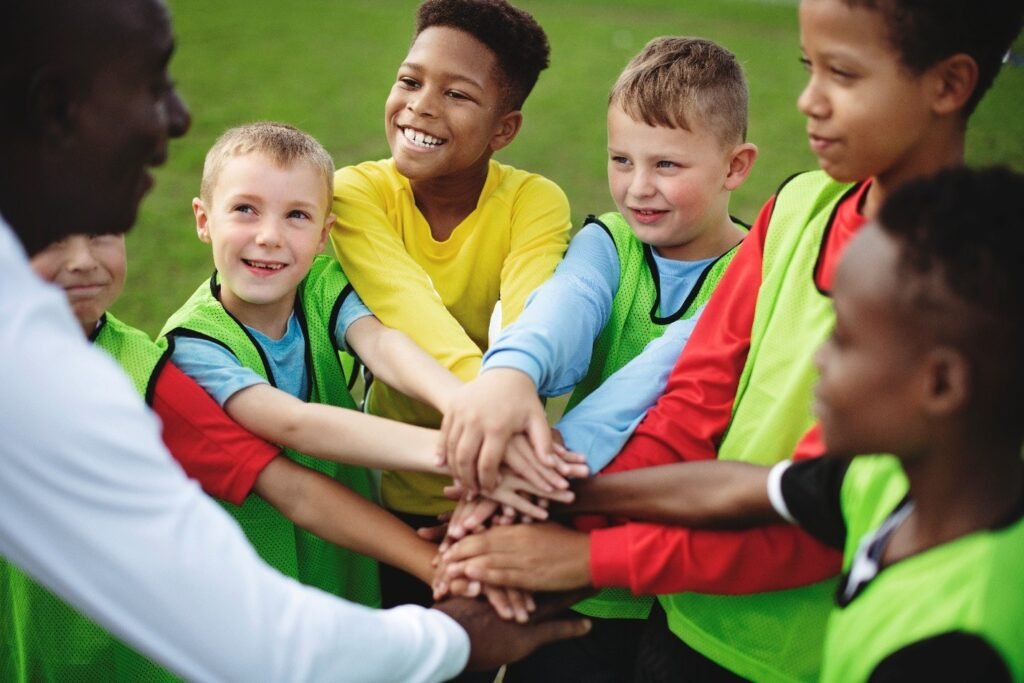
One of the most important lessons sports teach children is how to work as part of a team. Kids learn that success is rarely achieved alone and that cooperation, communication, and trust are essential. Whether passing the ball, supporting teammates, or accepting different roles, children understand how individual contributions affect the whole group. This skill helps them collaborate effectively in classrooms, group projects, and later in the workplace.
2. Discipline and Time Management
Sports require commitment. Practices, games, and training schedules teach children how to manage their time and stay disciplined. They learn to balance schoolwork, family responsibilities, and athletics. Showing up on time, following rules, and staying focused build habits that encourage responsibility and consistency. These skills are invaluable as children grow and face increased academic and personal demands.
3. Resilience and Handling Failure
Losses, mistakes, and setbacks are part of every sport. Through these experiences, children learn resilience and emotional strength. Sports teach them that failure is not the end, but an opportunity to learn and improve. Over time, kids develop confidence in their ability to overcome challenges. This mindset helps them cope with academic struggles, social difficulties, and future obstacles with perseverance rather than fear.
4. Leadership and Accountability
Sports create natural opportunities for leadership. Whether serving as a team captain or simply encouraging others, children learn how to lead by example. They also learn accountability by taking responsibility for their actions, performance, and behavior. Understanding how to motivate peers, accept feedback, and make decisions strengthens leadership qualities that benefit kids in school, community involvement, and future professional roles.
5. Respect and Sportsmanship
Sports emphasize respect for teammates, opponents, coaches, and officials. Kids learn to follow rules, accept outcomes gracefully, and treat others fairly. Good sportsmanship encourages empathy, patience, and self-control. These values shape how children interact with people from different backgrounds and viewpoints, promoting positive relationships off the field.
Conclusion
The lessons learned through sports extend well beyond physical fitness and competition. Teamwork, discipline, resilience, leadership, and respect are life skills that help children navigate everyday challenges and opportunities. By participating in sports, kids gain tools that support personal growth, confidence, and long-term success. Investing in youth sports is ultimately an investment in well-rounded individuals who are better prepared for life beyond the game.
Every child deserves the opportunity to experience the life-changing lessons that sports provide. Sports Saves works to remove financial barriers by supplying youth with the equipment they need to play and grow. By volunteering, donating equipment, or supporting their mission, you can help ensure more kids gain access to sports and the vital life skills that come with them. Get involved with Sports Saves and be part of creating brighter futures, both on and off the field.