

Why Every Child Should Have Access to Sports and How You Can Help
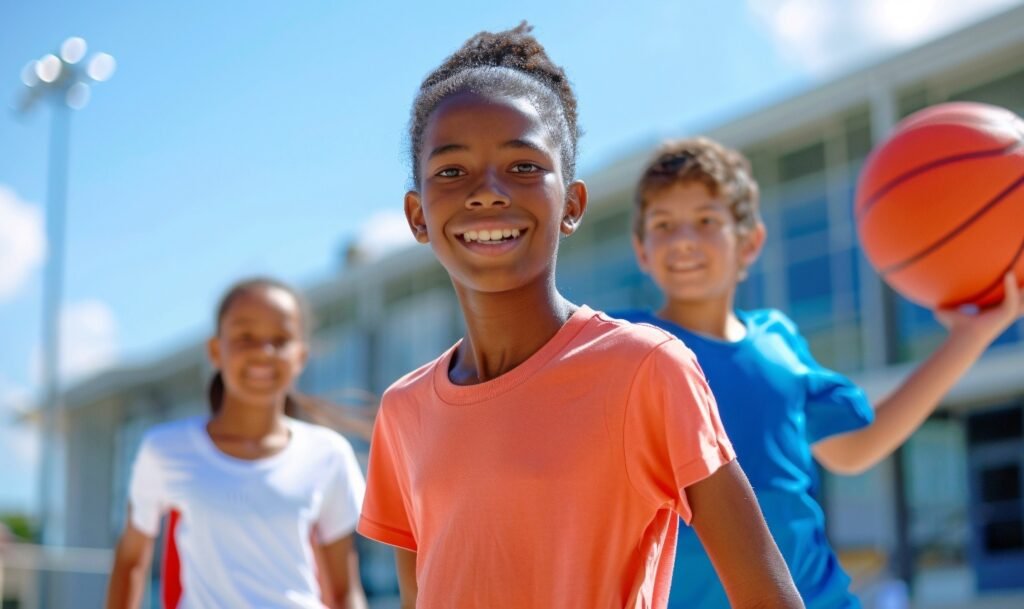
In today’s fast-paced, screen-focused world, giving children the opportunity to play sports is more important than ever. Sports are far more than games; they are powerful tools for shaping healthier, more confident, and more resilient young people. Yet millions of children worldwide still lack access to safe play spaces, proper equipment, and supportive programs. Ensuring that every child can participate isn’t just a community responsibility, it’s an investment in our future.
The Power of Sports in a Child’s Life
1. Physical Health and Development
Regular physical activity helps children build strong bones and muscles, maintain a healthy weight, and reduce the risk of chronic illnesses later in life. Sports also encourage kids to adopt lifelong habits of movement, which is crucial in an era where sedentary lifestyles are increasingly common.
2. Emotional and Mental Well-Being
Sports provide a natural outlet for stress and anxiety. Children who play regularly often show improved mood, better emotional regulation, and stronger self-esteem. Team environments also help kids feel a sense of belonging and purpose, something they may not always find elsewhere.
3. Learning Life Skills
From teamwork and discipline to leadership and problem-solving, sports teach essential life skills that extend far beyond the field. Children learn to set goals, handle setbacks, and celebrate achievements, skills that shape them into capable, confident adults.
4. Building Social Connections
Sports bring kids together from different backgrounds, fostering friendships and teaching respect, empathy, and cooperation. These experiences can break down cultural and social barriers, creating more inclusive communities.
Why Access Is Still Unequal
Despite the well-known benefits, many children, especially those in underserved or low-income areas, don’t have access to sports programs. Barriers may include:
- Cost of equipment, uniforms, or league fees
- Lack of safe fields or community spaces
- Limited school funding for extracurricular sports
- Transportation challenges
- Shortage of trained coaches or volunteers
When children miss out on sports due to these barriers, they also miss out on the physical, mental, and social growth that comes with participation.
How You Can Help Make Sports Accessible
The good news is that everyone can play a part. Here’s how you can help ensure every child has the chance to play, grow, and thrive through sports:
1. Donate Equipment or Funds
Many local organizations and youth programs rely on donations to operate. Gently used gear or financial contributions can directly impact a child’s ability to join a team.
2. Volunteer Your Time
Coaches, assistants, drivers, and event helpers are always needed. Your presence can make a huge difference, no professional sports background required.
3. Support Community Programs
Advocate for more inclusive and affordable sports initiatives in your school districts and neighborhoods. Attend meetings, sign petitions, or partner with nonprofits working to expand youth sports access.
4. Spread Awareness
Sometimes change starts with a conversation. Share the importance of sports with your network, online or offline, and inspire others to get involved.
Final Thoughts
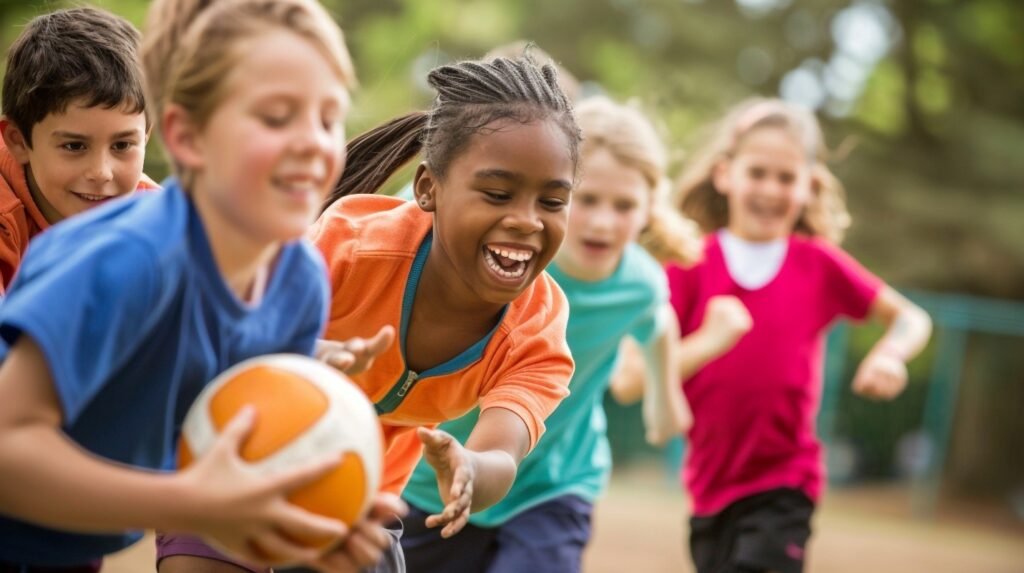
Every child deserves the chance to play, learn, and grow through sports. By helping break down barriers and supporting accessible youth programs, we can create healthier kids, stronger communities, and a brighter future. Your small action today could be the reason a child laces up their first pair of sneakers tomorrow.
If you want to make a direct impact, get in touch with Sports Saves, an organization dedicated to providing children with the resources, equipment, and opportunities they need to participate in sports. Whether you donate, volunteer, or help raise awareness, your contribution can change a child’s life.