

The Role of Volunteers in Building Stronger Communities Through Sports
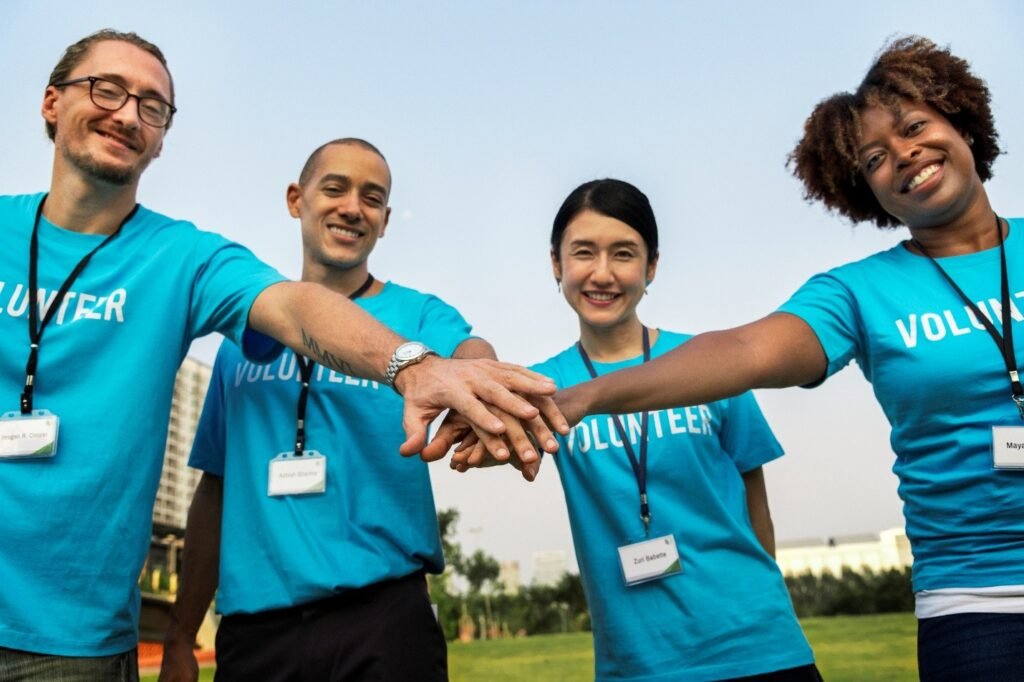
Sports have long been a powerful force for bringing people together. Beyond competition, sports create shared experiences that foster trust, inclusion, and belonging. At the heart of these experiences are volunteers, the individuals who donate their time, skills, and passion to make programs possible. Without volunteers, many community sports initiatives would struggle to exist, let alone thrive.
Volunteers as the Backbone of Community Sports
Volunteers serve as coaches, mentors, organizers, and role models, often wearing multiple hats to ensure programs run smoothly. They handle logistics, mentor young athletes, and create safe and welcoming environments for participants of all backgrounds. Their presence reduces financial barriers by keeping programs affordable, ensuring that children and families are not excluded due to cost. In this way, volunteers help level the playing field and promote equity.
Strengthening Social Bonds Through Participation
When volunteers engage with local sports programs, they build relationships that extend far beyond the field. Parents, athletes, and neighbors connect through shared goals, challenges, and celebrations. These connections strengthen social networks and encourage civic engagement, making communities more resilient. For young people, volunteers often become trusted adults who model teamwork, discipline, and respect. Such relationships can have lasting effects on confidence, leadership, and personal growth.
Volunteering as a Pathway to Inclusion
Community sports volunteers play a critical role in creating inclusive spaces. By welcoming participants of different abilities, cultures, and economic backgrounds, they help break down social barriers. Inclusive sports programs encourage mutual understanding, reduce isolation, and give everyone a sense of belonging. Volunteers who reflect the diversity of their communities also inspire participation by showing that sports truly are for everyone.
Long-Term Impact on Community Wellbeing
The impact of volunteer-driven sports programs extends well into the future. Communities with strong volunteer networks often see higher youth engagement, improved health, and lower rates of antisocial behavior. Volunteers themselves also benefit, gaining purpose, skills, and a deeper connection to their neighborhoods. This mutual benefit creates a positive cycle where giving back strengthens both individuals and the community as a whole.
Conclusion
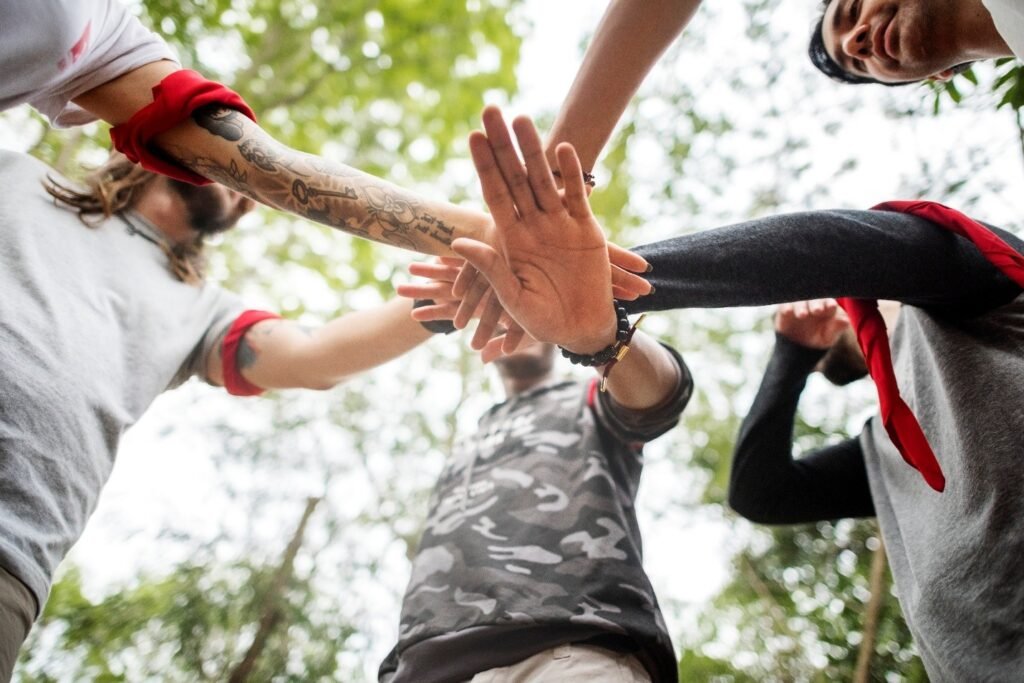
Volunteers are essential to building stronger communities through sports. By supporting programs, fostering connections, and championing inclusion, they help create environments where people can grow, connect, and thrive. Investing in volunteer engagement is not just an investment in sports, but in the social fabric that holds communities together. When individuals step forward to serve, everyone wins, and communities emerge healthier, more connected, and more hopeful.
Ultimately, the power of volunteering in sports lies in its ability to turn simple acts of service into collective progress. Every practice, game, and event supported by volunteers represents an opportunity to strengthen trust, share values, and build pride within local communities. As these efforts grow, they leave a legacy of participation, empathy, and cooperation that extends far beyond sports, shaping stronger, more united societies for future generations. Together, we can recognize, support, and celebrate volunteers as true builders of community strength and shared success through sport.
Organizations like Sports Saves rely on passionate volunteers to continue breaking down barriers to youth sports participation. By donating your time, skills, or gently used equipment, you can help ensure that every child has the chance to play, grow, and belong. Whether you volunteer at an event, support equipment drives, or spread awareness, your involvement with Sports Saves directly strengthens communities and changes young lives through the power of sport.