How Community Support Programs are Helping Underserved Athletes Thrive
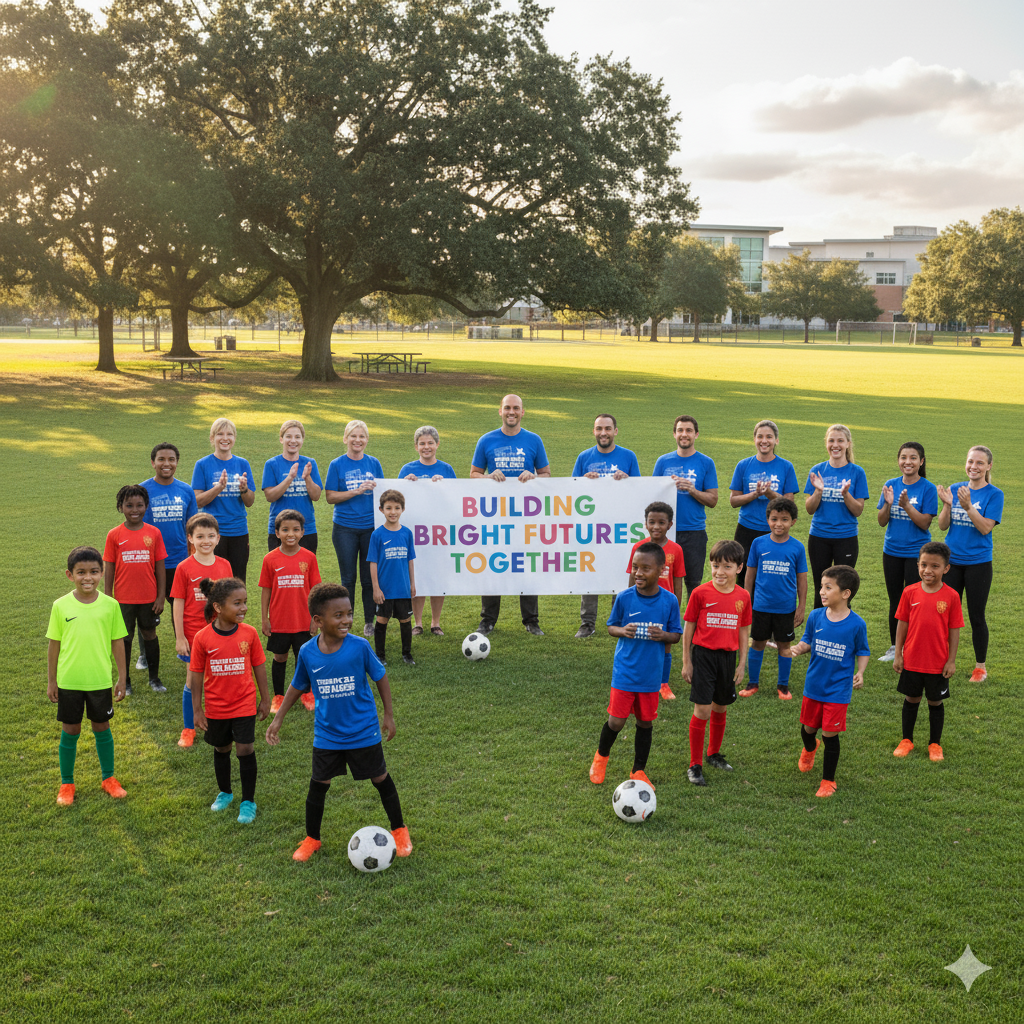
Imagine a young athlete bursting with dreams of becoming the next sports star, yet facing a major hurdle: lack of resources. No uniform, no proper shoes, and limited access to training. This is the harsh reality for many young athletes in underserved communities across the country. Without support, these talented individuals risk missing out on life-changing opportunities.
But here’s the inspiring part: community support programs are stepping up to change the game. These programs offer more than just access to sports; they provide mentorship, financial assistance, and a safe environment where young athletes can develop both on and off the field. By addressing barriers like emergency assistance and financial aid, these programs ensure vulnerable youth have the tools they need to succeed.
Let’s explore how these vital community support programs are empowering underserved athletes to rise above challenges and achieve their dreams.
1. Breaking Financial Barriers
One of the biggest obstacles for young athletes is the cost of equipment, league fees, and travel expenses. Community support programs help by providing financial assistance, donations of sports gear, and funding for travel and league participation. These programs also refer clients to local agencies for essential needs such as food, clothing, rent assistance, and eviction prevention.
Local agencies, businesses, and neighbors come together to donate equipment, sponsor athletes, and cover fees, ensuring that no child misses out due to financial hardship. Working families benefit from these programs, which help them manage costs related to sports participation and basic living expenses like rent and food. This collective effort opens doors to permanent housing of opportunity for these athletes, giving them a fair chance to compete and grow.
The Result? Young athletes gain confidence, a sense of belonging, and the chance to shine both in sports and life.

2. Mentorship and Role Models
The power of mentorship cannot be overstated. Many underserved athletes lack access to professional coaching or positive role models. Community support programs connect these athletes with mentors who provide guidance, encouragement, and life skills.
Mentors teach discipline, resilience, and leadership while helping athletes navigate challenges on and off the field. Whether it’s a local coach staying late after practice or a former athlete sharing their journey, these relationships foster accountability and inspire young athletes to achieve their full potential.
3. Providing a Safe and Supportive Space
For many youth, sports offer a refuge from the instability and risks in their neighborhoods. Community programs create safe spaces where athletes can focus on growth, build friendships, and feel supported. These safe spaces often include supportive services to address challenges such as mental health.
These environments serve as havens from violence and poverty, allowing athletes to develop their strengths and pursue their passions in a secure setting. The sense of community and belonging nurtures mental health and encourages positive choices.
4. Instilling Confidence and Leadership Skills
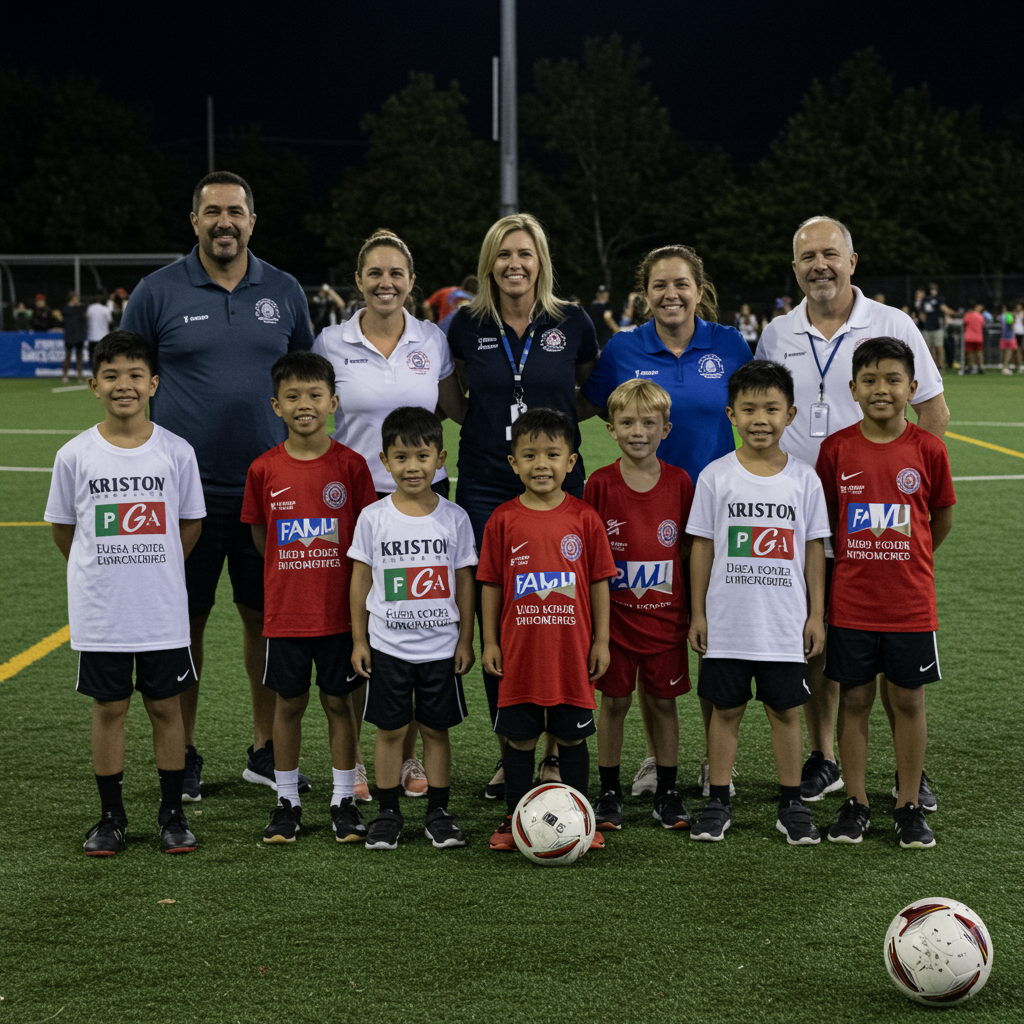
Sports teach more than just physical skills; they build leadership, teamwork, and communication. Community support programs emphasize these qualities, preparing athletes to succeed in school, work, and life.
Supported athletes are more likely to take risks, lead by example, and develop the confidence needed to overcome obstacles. These programs cultivate future leaders who will contribute positively to their communities.
5. Education and Personal Growth
Participation in sports correlates with improved academic performance, higher graduation rates, and better mental health. Community programs often provide educational support and scholarships, creating pathways to higher education. These programs also offer information and resources specifically tailored to help children succeed academically, ensuring that children have access to the guidance and support they need.
Athletes develop time management, responsibility, and perseverance, skills that help them succeed beyond the playing field. With a strong support system, they are empowered to dream big and achieve more.
5. Education and Personal Growth
Participation in sports correlates with improved academic performance, higher graduation rates, and better mental health. Community programs often provide educational support and scholarships, creating pathways to higher education. These programs also offer information and resources specifically tailored to help children succeed academically, ensuring that children have access to the guidance and support they need.
Athletes develop time management, responsibility, and perseverance, skills that help them succeed beyond the playing field. With a strong support system, they are empowered to dream big and achieve more.
6. Building Stronger Communities
Supporting underserved athletes strengthens entire communities in meaningful ways. These programs foster connections among youth, families, and local agencies, creating a strong network of support that goes beyond sports. By uniting community members and resources, they build trust, collaboration, and a shared sense of purpose.
This interconnected system empowers athletes to overcome challenges while contributing to the social and economic well-being of the community. It also encourages engagement and pride among residents, inspiring investment in neighborhood success. Ultimately, community support programs help cultivate stronger, healthier, and more resilient communities for the future.
7. A Bright Future Awaits
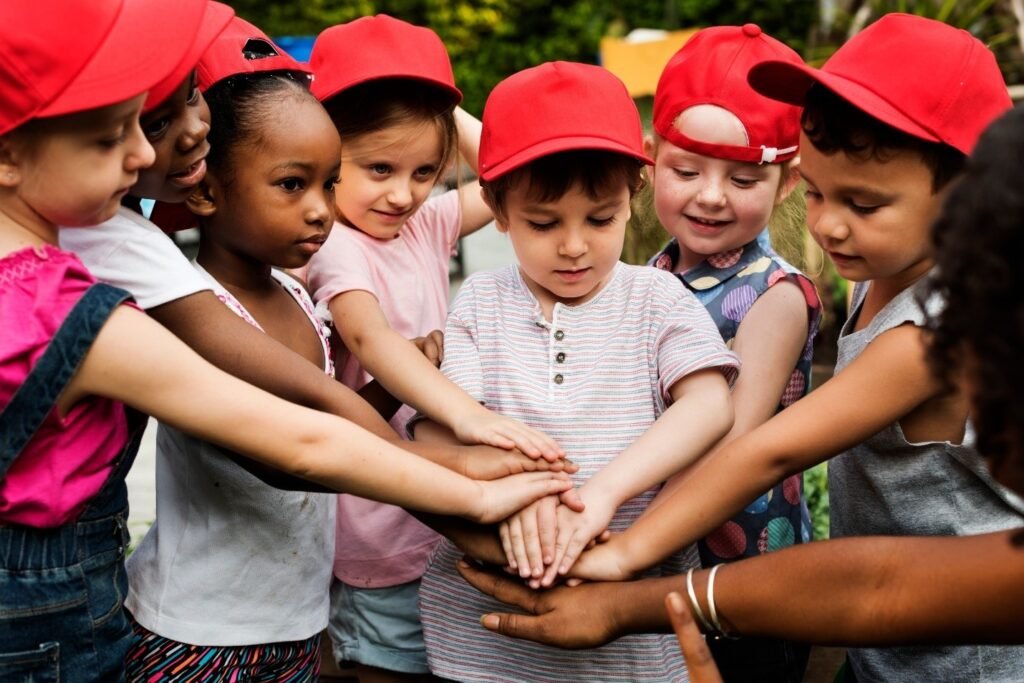
When communities rally behind underserved athletes, they provide more than just access to sports; they offer a vital lifeline. From financial support to mentorship and safe spaces, community support programs and assistance programs pave the way for success both on and off the field. These programs are open to everyone and are located in various communities, including Trenton, Princeton, New Jersey, etc, offering pathways to employment, personal growth, and lasting opportunity.
By helping these athletes win in life, we all benefit, building stronger, healthier, and more united communities that thrive together.
How You Can Get Involved
You don’t need to be an athlete or coach to make a difference. Here’s how you can help:
- Volunteer Your Time: Become a mentor, coach, or administrative support to help run these essential programs.
- Donate Equipment or Funds: Contribute sports gear or financial assistance to cover fees, travel, and scholarships. Donations of fresh vegetables and healthy food are also welcomed to support the nutrition and well-being of young athletes, helping them stay energized and focused on their goals.
- Spread the Word: Share stories and recruit others to support these life-changing initiatives.
Conclusion: Empowering the Next Generation
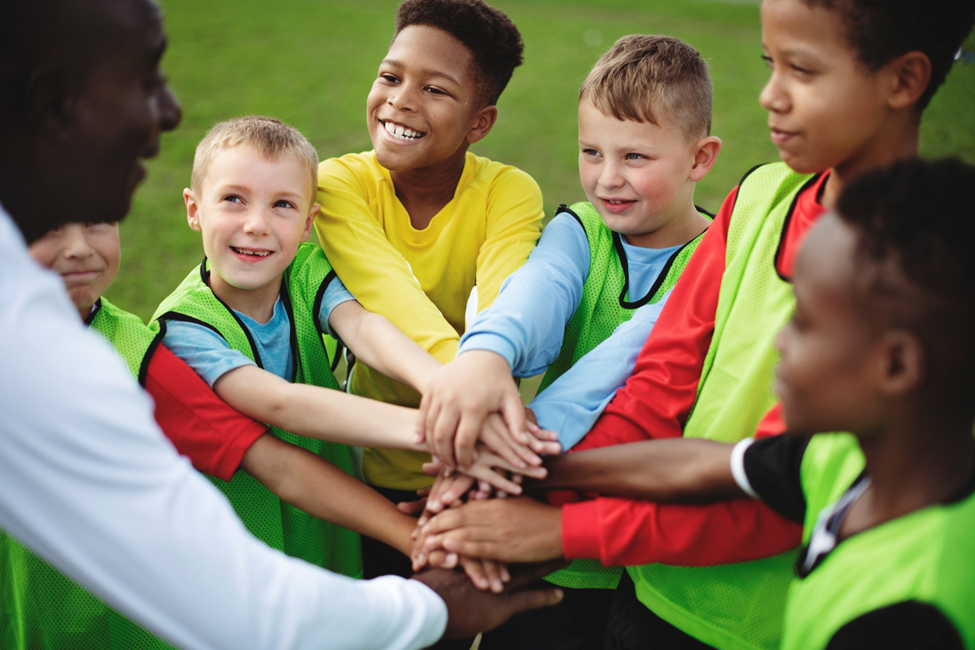
Community support programs are unsung heroes, providing underserved athletes with opportunities to overcome adversity and unlock their potential. These programs, many of which were established years ago, offer mentorship, emergency assistance, and a safe space, creating a path to personal and academic success throughout the year for people from all walks of life.
In communities where resources are scarce and many struggle to find stable homes, these programs shine as beacons of hope. For example, some programs host special events or training sessions once a month or on Fridays to engage youth consistently. With your involvement, every child, regardless of background, can thrive. Together, we can ensure that sports become a source of empowerment, education, and community strength.